
At a Glance: The Comparison
Traditional weight loss apps are built as calculators: they require manual input and offer mathematical feedback. Mochi Zen is built as an Inner Ally. By replacing manual entry with 5-second meal photo scanning and addressing the “why” behind eating through hypnotherapy, we remove the friction and shame that cause 95% of diets to fail. If you are tired of “starting over Monday,” it’s time to move from a math problem to a healing journey.
Mochi Zen was created by Paola Mendez, a certified RTT (Rapid Transformational Therapy) hypnotherapist trained by Marisa Peer.
The Three Pillars of the Mochi Difference
| Feature | Traditional Trackers (e.g., MFP, Lose It) | The Mochi Zen Way |
|---|---|---|
| Logging Speed | Manual search & entry (3–5 mins/meal). | Photo Scan or Typed Sentence (seconds/meal) |
| Emotional Support | None (Data only). | Subconscious Hypnotherapy. |
| Feedback Style | “Red vs. Green” (Shame-based). | Self-Care Data (Neutral & Zen). |
| Focus | Calories in vs. Calories out. | Healing the “All-or-Nothing” Cycle. |
1. From “Labor” to “Observation” (The Meal Photo Scan Advantage)
Traditional apps require you to search a database of 14 million items just to log a sandwich. This creates Decision Fatigue.
Mochi Zen uses Frictionless Easy Tech. You snap a photo or type what you ate in a plain sentence, and Mochi Zen handles the data. This shifts your mental state from a “data entry clerk” to a “mindful observer.” When tracking is this easy, you don’t have to “decide” to be healthy; you just have to be present.

2. From “Willpower” to “Rewiring” (The Hypnosis Edge)
A calculator can’t stop a 3 PM stress-binge. Willpower is a finite resource that runs out by the time you get home from work.
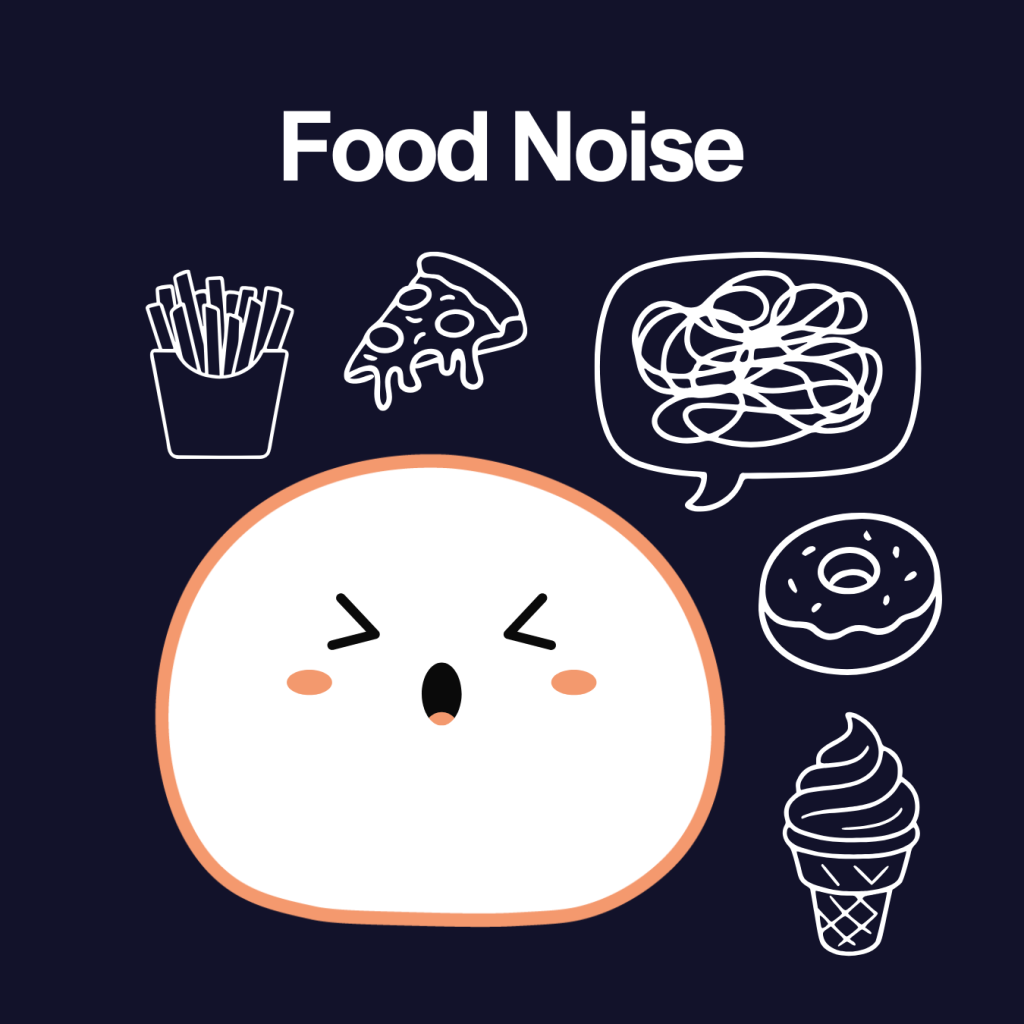
Mochi Zen addresses the Subconscious Autopilot. Our audio sessions use neuroplasticity to quiet the “Food Noise” that traditional apps ignore. We don’t just track what you eat; we help you naturally prefer the choices that make you feel alive.
3. From “Shame” to “Self-Care Data”
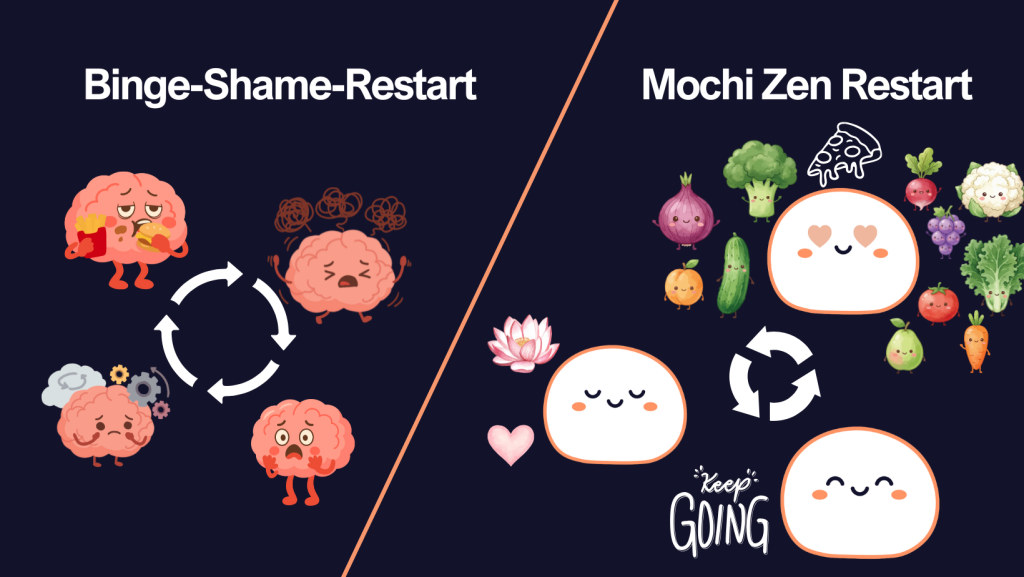
Most apps make you feel like you’ve “failed” if you go over your limit. This triggers the All-or-Nothing Cycle, leading to a weekend-long binge.
In the Mochi Zen ecosystem, there is no “off-track.” There is only information. Our mascot, Mochi, ensures that every interaction feels like a warm hug, not a clinical reprimand. We track Mood and Energy alongside macros because your worth isn’t a math equation.
Why Traditional “Counting” Actually Keeps You Stuck
For decades, the health industry has insisted that “awareness” comes through the labor of logging. But for many, the act of manual logging becomes a trigger in itself. When you have to search for every ingredient, you are forced to hyper-focus on the minutiae of your food, which can lead to orthorexic tendencies or obsessive thoughts.
Mochi Zen’s easy photo meal scanning approach creates a “Buffer of Peace.” By offloading the mathematical labor to the app, your brain is free to focus on how the food actually makes you feel. Are you energized? Are you satisfied? This is the shift from extrinsic tracking (rules) to intrinsic awareness (healing).
The Psychological Exit Ramp: Beyond “Start Over Monday”
The most dangerous phrase in weight loss is “I’ll start over Monday.” This mindset is a symptom of the Dichotomous Thinking (All-or-Nothing) that traditional apps inadvertently encourage. When you see a “streak” broken or a calorie goal exceeded, your brain perceives it as a total system failure.
Mochi Zen provides an “Exit Ramp” for this cycle. Our hypnotherapy sessions specifically target the neural pathways associated with perfectionism. Instead of a restart, we offer a Reset. Whether it’s 2 PM on a Tuesday or 11 PM on a Friday, your “Zen” state is always one 10-minute session away.
Curious how Mochi Zen stacks up when Noom enters the picture? See Mochi Zen vs. MyFitnessPal vs. Noom, or go deeper on the 5 PM willpower crash in Decision Fatigue and Weight Loss: Why You Binge After 5 PM.
Frequently Asked Questions (FAQ)
How accurate is the photo macro tracker compared to manual search?
Mochi Zen is trained on millions of food data points. While no tracker is 100% perfect, Mochi Zen is designed to be highly accurate for real-world portions. More importantly, the consistency gained from 5-second tracking far outweighs the marginal accuracy of manual logging that most people eventually abandon due to friction.
Can hypnotherapy really help with weight loss?
Yes. Clinical studies show that hypnotherapy helps address the subconscious triggers of emotional eating: in a landmark meta-analysis, people who added hypnosis to their weight-loss treatment lost roughly twice the weight of diet-only groups and maintained it at two-year follow-up. While traditional apps tell you what to do, hypnosis helps your brain want to do it by quieting the “food noise” and reducing stress-induced cortisol.
Is Mochi Zen suitable for people with a history of disordered eating?
Mochi Zen is built on a “Neutral Data” philosophy specifically to reduce the shame associated with food. However, we always recommend consulting with a healthcare professional or therapist to ensure a mindfulness-based approach aligns with your specific recovery path.
Do I have to listen to the audio sessions every day?
For the first 7 days, we recommend daily listening to build the “Consistency Muscle” and unlock the deeper healing sessions. Most users find that these 10 minutes become the most relaxing and anticipated part of their day.
Which is better, Mochi Zen or MyFitnessPal?
MyFitnessPal is a powerful calculator for people who enjoy detailed manual entry. Mochi Zen is built for people burned out by logging: a 5-second photo scan handles the macros, neutral data replaces “red bar” guilt, and hypnotherapy sessions address the emotional eating that tracking alone cannot change.
Do I still have to count calories with Mochi Zen?
No. You snap a photo or type what you ate in a plain sentence, and Mochi Zen identifies the macros for you in seconds. The app deliberately presents this as neutral self-care data rather than pass-fail calorie limits, so tracking supports awareness of how food makes you feel instead of becoming a second job.
Disclaimer: This post is for informational purposes only and is not a substitute for professional medical or mental health care. Results vary. If disordered eating or weight concerns are severe or persistent, please consult a qualified healthcare provider.