At a Glance: The Science of the “Two Engines”
Permanent weight loss requires solving two distinct problems: the Metabolic Problem (what your body does with energy) and the Psychological Problem (why your mind resists change). While traditional diets focus on calories, Mochi Zen focuses on Macros to optimize body composition and Hypnotherapy to bypass the brain’s natural resistance to new habits. This dual approach turns weight loss from a temporary struggle into a permanent lifestyle shift.
Mochi Zen was created by Paola Mendez, a certified RTT (Rapid Transformational Therapy) hypnotherapist trained by Marisa Peer.
Why Macros Matter: It’s Not Just About Calories
Most people are taught that weight loss is a simple equation of “Calories In vs. Calories Out.” But 1,500 calories of gummy bears affects your body very differently than 1,500 calories of steak and avocado.
The “Metabolic Roadmap”
Macros (Macronutrients) are the three pillars of your energy: Protein, Fats, and Carbohydrates. Tracking them is like having a compass instead of just a speedometer.
- Protein (The Builder): High-protein intake increases the Thermic Effect of Food (TEF), meaning your body burns more calories just digesting protein than it does fats or carbs. It also protects your muscle mass so you lose fat, not just weight.
- Fats (The Regulator): Essential for hormone production (like your satiety hormones) and brain health.
- Carbs (The Fuel): Your body’s primary energy source. Managing them helps stabilize blood sugar and prevent the “3 PM Crash.”
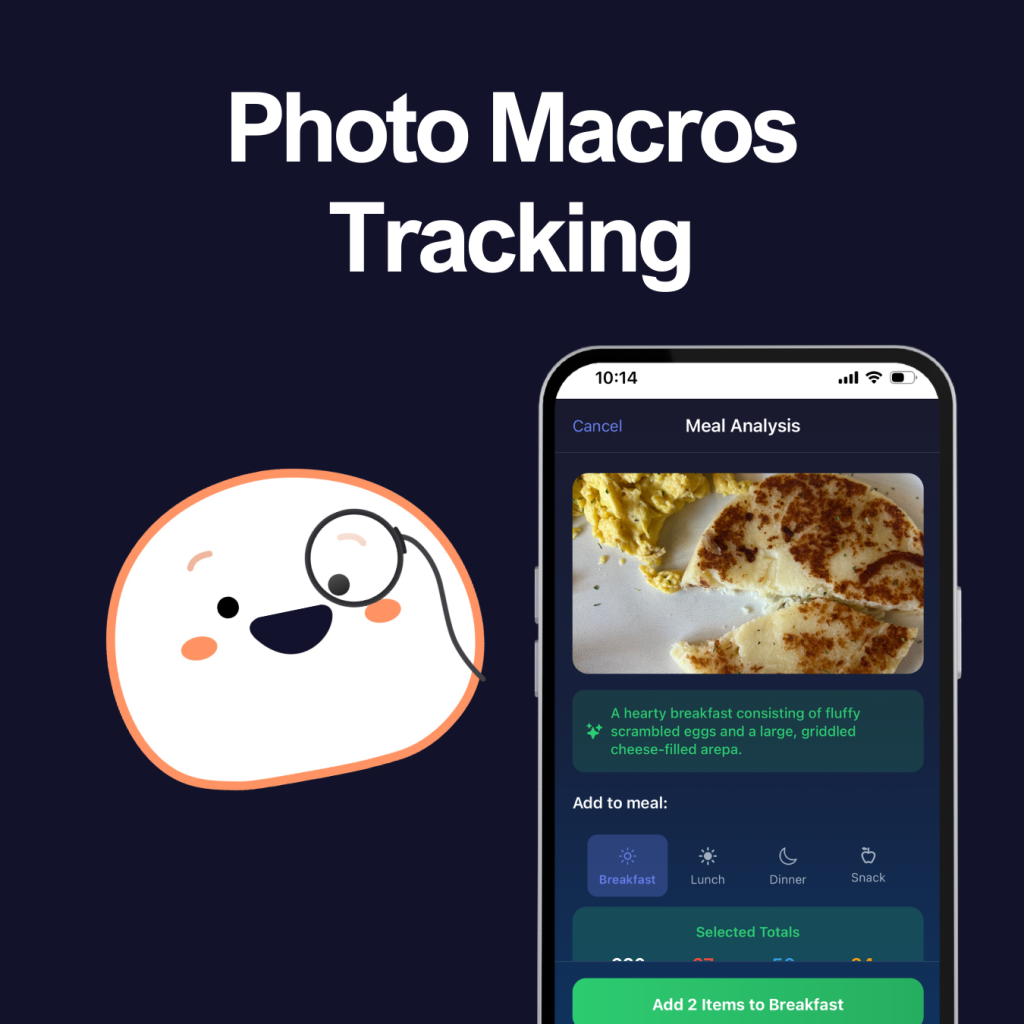
The Mochi Zen Angle: By tracking macros with our 5-second photo meal-scan, you move from “Restricting” to “Balancing.” You stop asking “Can I eat this?” and start asking “How does this fuel my roadmap?”
Why Your Mind Resists Change: The “Homeostatic Impulse”
Have you ever wondered why, even when you know what to do, you find yourself sliding back into old patterns?
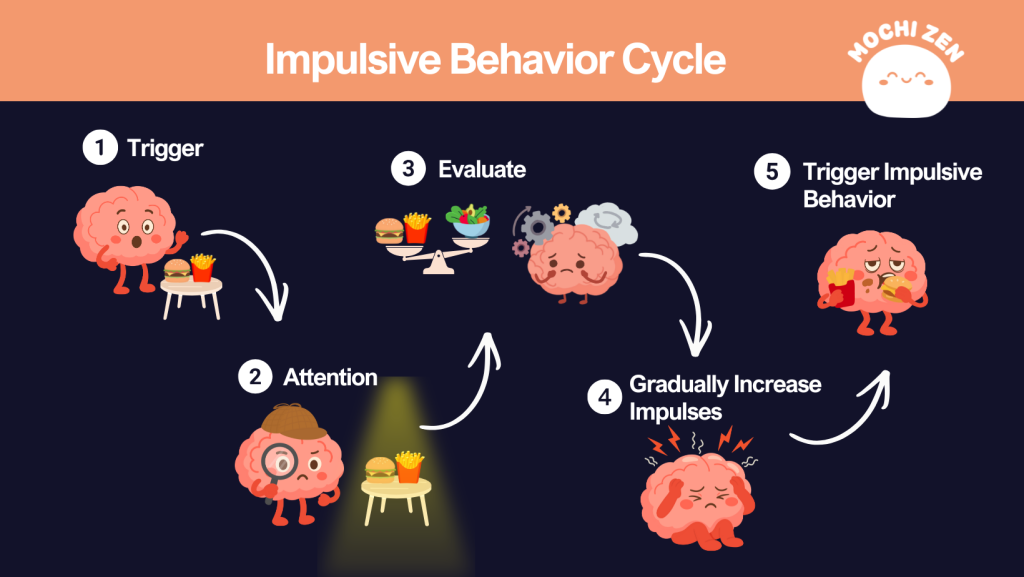
It’s not a lack of willpower; it’s biology. Your brain has a biological imperative called the Homeostatic Impulse. Its job is to keep things exactly as they are. To your subconscious mind, “familiar” equals “safe”, even if that familiar state is being overweight or stressed.
When you try to change your diet overnight, your brain perceives it as a threat and triggers:
- Cravings: To pull you back to high-dopamine “safety” foods.
- Self-Sabotage: The “All-or-Nothing” voice that tells you to give up after one mistake.
- Procrastination: The “I’ll start Monday” loop.
Hypnotherapy: The Backdoor to Permanent Change
If the conscious mind is the captain of the ship, the subconscious is the engine room. You can tell the captain to change direction (Willpower), but if the engine room is locked in an old course (Patterns), the ship won’t turn.
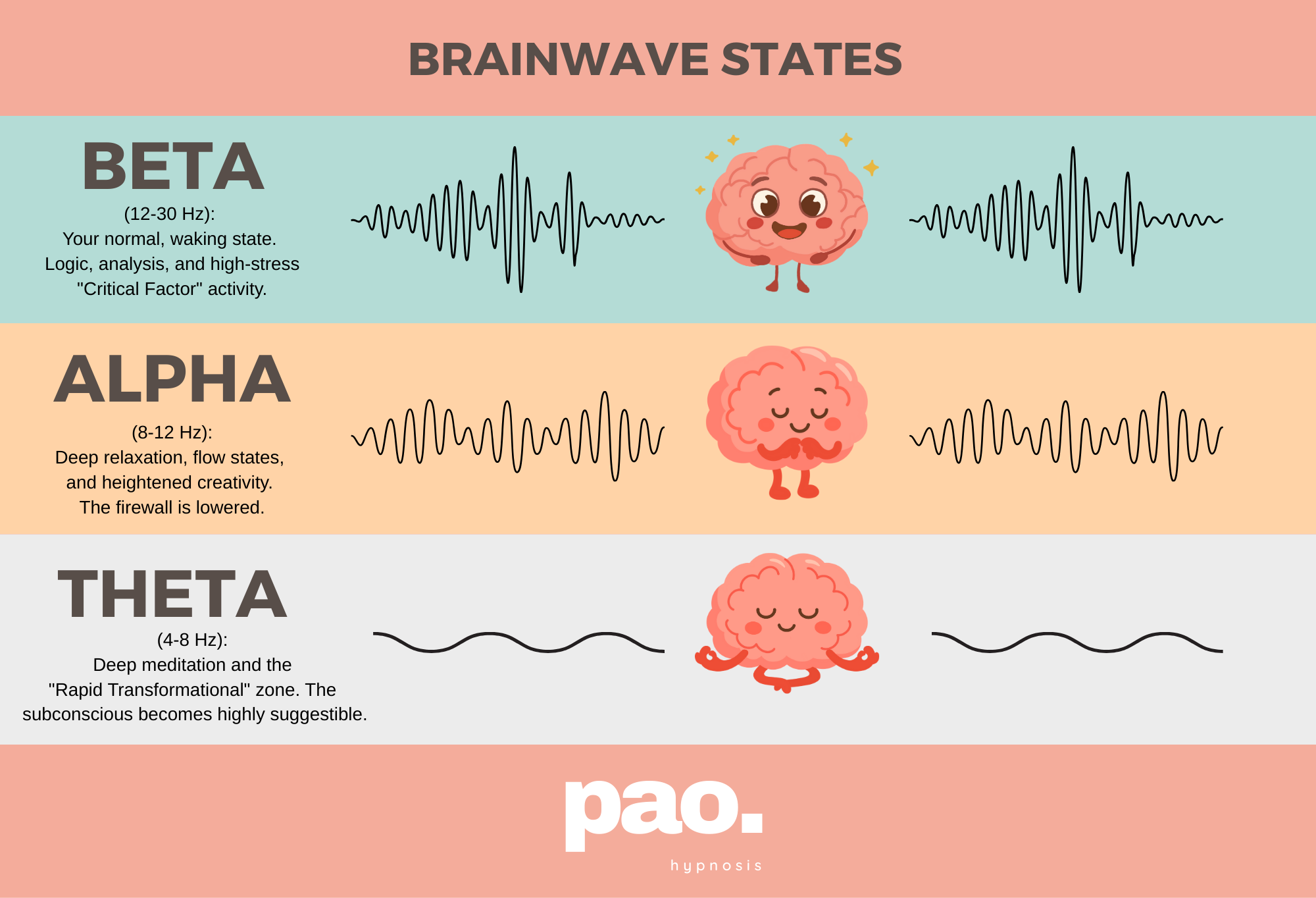
Hypnotherapy is the key that unlocks the engine room. By entering a state of Alpha-wave relaxation, we bypass the “Critical Factor”, the part of your brain that rejects new information.
- Rewiring the Narrative: We replace “I am a person who struggles with food” with “I am a person who nourishes my body with ease.”
- Quieting Food Noise: We address the root cause (often formed in childhood) of why you use food as comfort or protection.
- Removing Friction: When the subconscious is aligned with your goals, healthy choices stop feeling like a “battle” and start feeling like your natural preference.
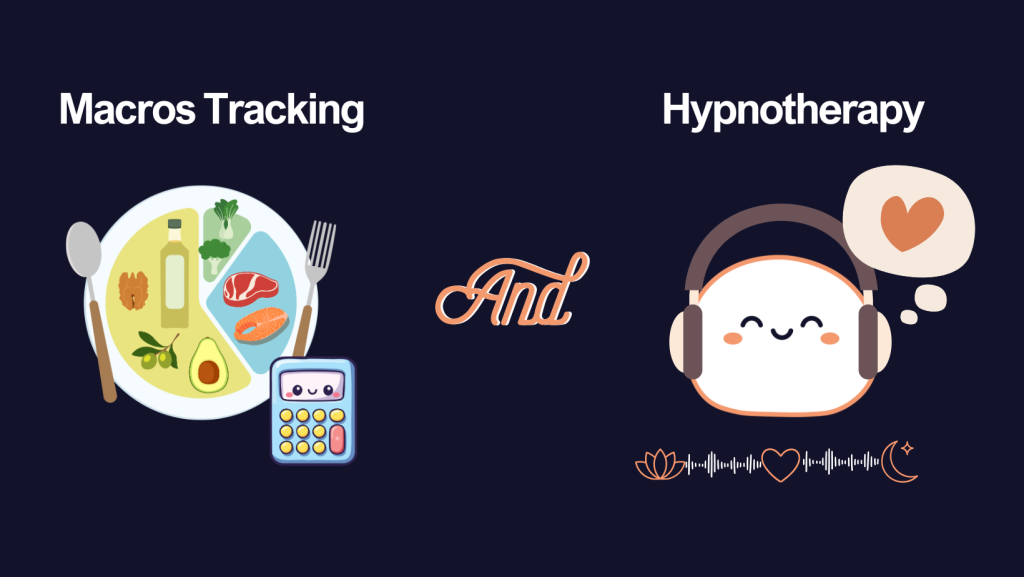
Mochi Zen: The Bridge to Your “Forever” Body
Mochi Zen is the only app that addresses both engines of change.
- Easy Photo Meal-Scanning (The Metabolic Engine): Gives you the data you need to fuel your body without the decision fatigue of manual entry.
- Subconscious Audio (The Psychological Engine): Gently rewires your brain’s Homeostatic Impulse so it stops fighting the new, healthy version of you.

The Result: You don’t just lose the weight; you lose the need to use food to cope. That is the definition of permanent weight loss.
Related reading: The Science Behind Hypnotherapy for Weight Loss, Anxiety & Insomnia and Decision Fatigue and Weight Loss: Why You Binge After 5 PM.
Frequently Asked Questions
1. Why are macros more important than calories for long-term weight loss?
While calories determine weight change, macros determine body composition and metabolic health. High protein increases the thermic effect of food (burning more calories during digestion), while balanced fats and carbs regulate hormones and blood sugar, preventing the hunger crashes that lead to overeating.
2. What is the “Homeostatic Impulse” in dieting?
The Homeostatic Impulse is the brain’s biological drive to maintain the status quo. To your subconscious, “familiar” is “safe.” When you try to change habits through willpower alone, this impulse triggers cravings and self-sabotage to pull you back to your old weight.
3. Can hypnotherapy actually help with macro tracking?
Yes. Hypnotherapy reduces “cognitive load” and “food noise,” making the act of tracking feel like neutral self-care rather than a restrictive chore. By aligning the subconscious with your metabolic goals, you naturally prefer foods that fit your macro roadmap.
4. How does Mochi Zen track macros without manual logging?
Use Mochi Zen’s 5-second photo meal scan, or just type what you ate in a plain sentence like “cilantro rice, salmon” and the AI splits it into individual foods with portions, calories, protein, carbs, fat, and fiber. It cuts the decision fatigue of manual database entry and shifts your focus from “Restricting” to “Balancing”, giving you metabolic data without the labor.
5. Does hypnotherapy help stop self-sabotage in weight loss?
Yes. Self-sabotage is usually the Homeostatic Impulse at work: the brain defending familiar patterns. Hypnotherapy uses Alpha-wave relaxation to bypass the Critical Factor and update the subconscious narrative, so healthy choices stop feeling like a battle and start feeling like your natural preference.
6. What does permanent weight loss actually require?
Two engines working together: a metabolic engine of balanced macros that protect muscle and stabilize blood sugar, and a psychological engine of subconscious rewiring so your brain stops fighting the change. Mochi Zen pairs photo macros tracking with hypnotherapy audio so you lose both the weight and the need to cope with food.
Ready to break the pattern for good?
Experience 5-second tracking and
your first Hypnosis session today.
Scientific References
- Hall, K. D., et al. (2015). Calorie for calorie, dietary fat restriction results in more body fat loss than carbohydrate restriction in people with obesity. Cell Metabolism.
- Kirsch, I., Montgomery, G., & Sapirstein, G. (1995). Hypnosis as an adjunct to cognitive-behavioral psychotherapy: a meta-analysis. Journal of Consulting and Clinical Psychology, 63(2), 214-220. Across 18 studies, adding hypnosis substantially enhanced treatment outcome.
- Kirsch, I. (1996). Hypnotic enhancement of cognitive-behavioral weight loss treatments: another meta-reanalysis. Journal of Consulting and Clinical Psychology, 64(3), 517-519. Mean weight loss was 6.00 lbs without hypnosis and 11.83 lbs with it; at the last assessment, 6.03 lbs vs 14.88 lbs (effect size 0.98).
- Wansink, B. (2006). Mindless Eating: Why We Eat More Than We Think.
Disclaimer: This post is for informational purposes only and is not a substitute for professional medical or mental health care. Results vary. If weight or eating concerns are severe or persistent, please consult a qualified healthcare provider.