At a Glance: The Zen Approach to Ending Emotional Eating
To stop emotional eating, you must move beyond willpower and address the subconscious triggers of the “All-or-Nothing” cycle. Scientific research shows that stress-eating is a neurological response to Ego Depletion and Dopamine seeking. Mochi Zen helps you break this cycle by combining subconscious hypnotherapy (to quiet “food noise”) with easy macros photo-tracking to remove the shame and cognitive load of traditional dieting. By healing the subconscious narrative, you can achieve sustainable weight loss without the internal war.
Mochi Zen was created by Paola Mendez, a certified RTT (Rapid Transformational Therapy) hypnotherapist trained by Marisa Peer.

Why “Willpower” Isn’t the Answer to Emotional Eating
If you’ve ever found yourself at the bottom of a bag of chips after a stressful day, you know that logic has nothing to do with hunger. You weren’t “hungry” for the chips; you were hungry for relief.
Most diet apps tell you to “just track it” or “have more discipline.” But here is the truth the diet industry won’t tell you: Willpower is a finite resource. By 5:00 PM, after a day of decisions, meetings, and stress, your willpower battery is at 0%.
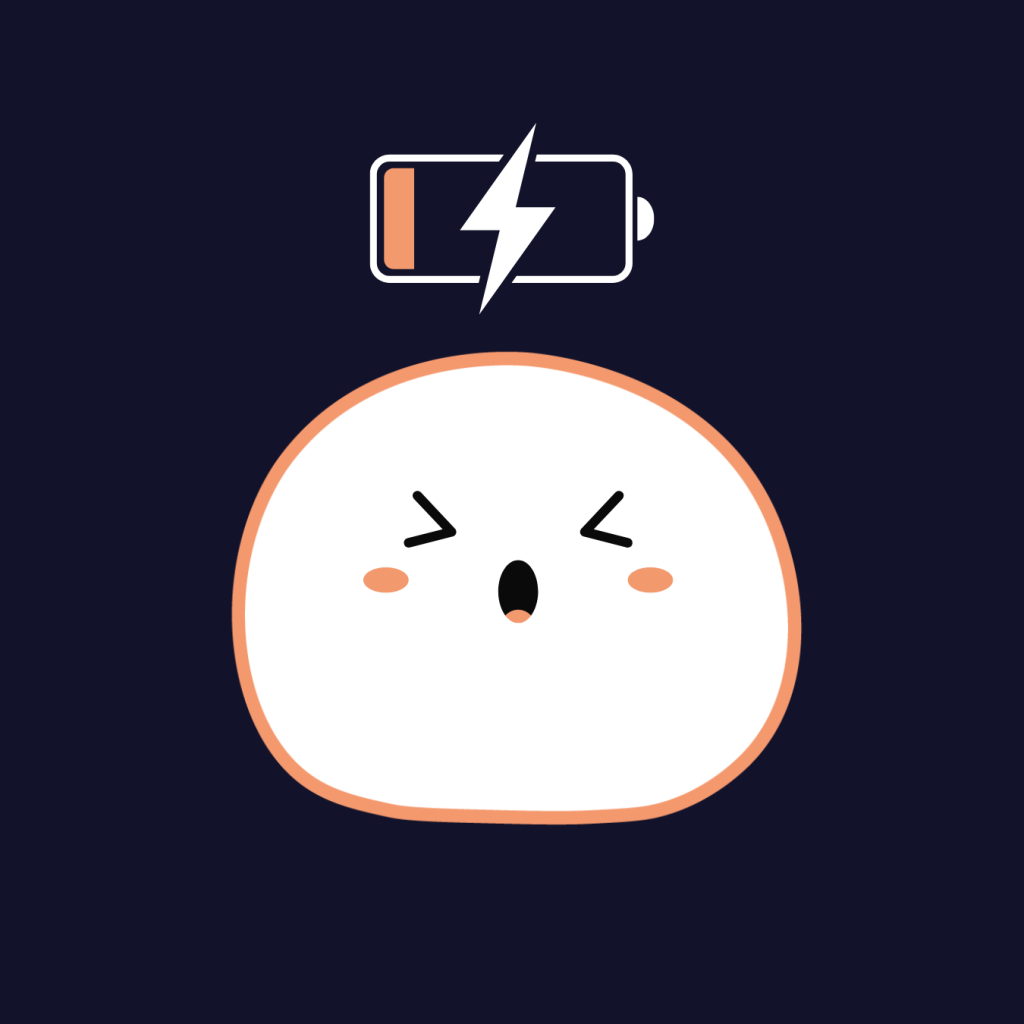
This phenomenon, known in psychology as Ego Depletion, suggests that self-control is a limited mental resource that can be exhausted (Baumeister et al., 1998). At Mochi Zen, we believe you aren’t “weak”; your subconscious is simply using a survival mechanism it learned long ago to soothe your nervous system. To stop emotional eating, we don’t need more discipline. We need Subconscious Healing.
The Science of the “All-or-Nothing” Cycle
Emotional eating is driven by the Dopaminergic Loop. When stress hits, your brain seeks a quick hit of dopamine to feel safe. Research shows that high-sugar and high-fat foods trigger the same reward centers in the brain as addictive substances (Volkow et al., 2011).
The problem? Most tracking apps actually fuel this cycle. When you manually log a “bad” food and see a red bar or a negative number, your brain triggers a Shame Response.
- Shame creates more cortisol (the stress hormone).
- Cortisol further drains willpower and increases cravings for “comfort foods” (Adam & Epel, 2007).
- The Result: The “All-or-Nothing” binge (“I already messed up, I might as well eat everything”).
Mochi Zen breaks this loop by turning “Tracking” into “Neutral Observation.” Our intelligent meal scanner provides Self-Care Data, not judgment.
How Hypnosis Quiets the “Food Noise”
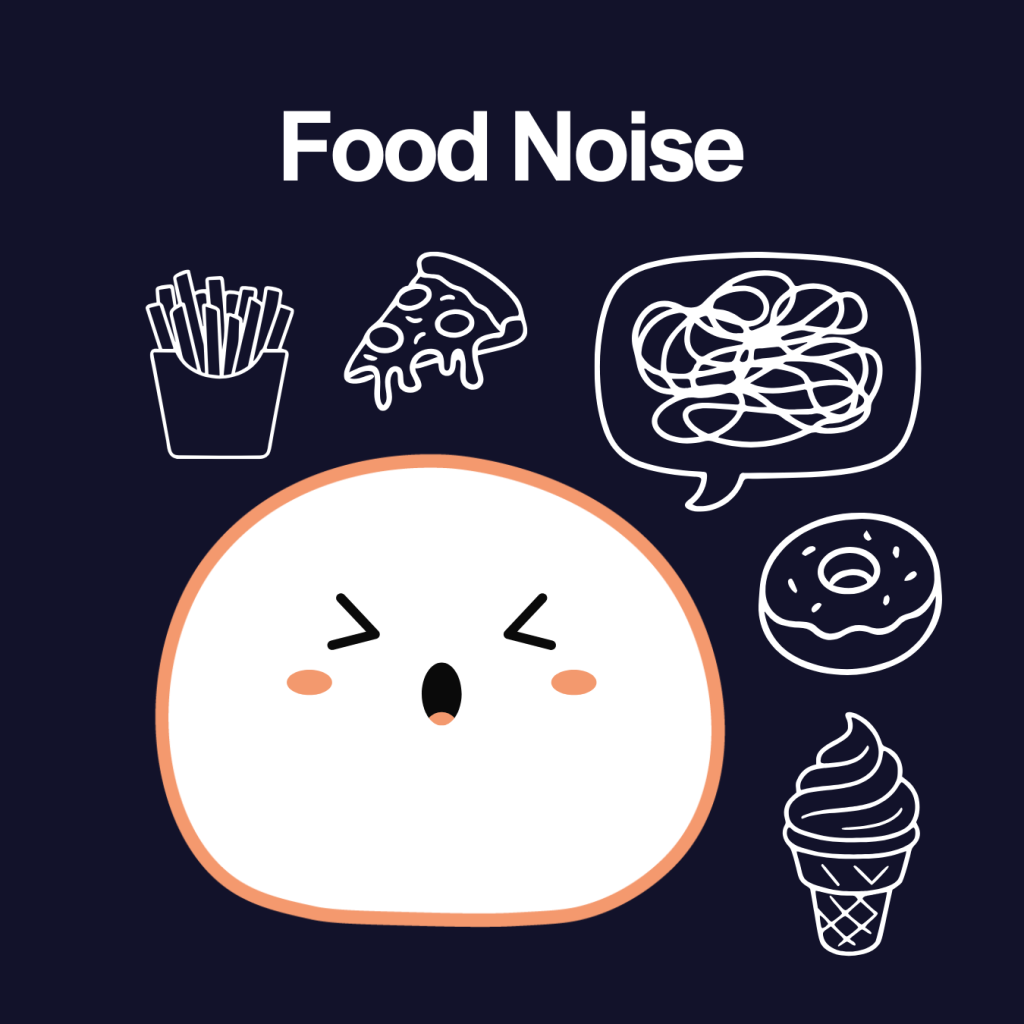
You may have heard of “Food Noise“, that constant, nagging internal monologue obsessing over a craving.
Hypnosis is the clinical tool we use to turn the volume down on that noise. It is a state of focused relaxation where your brain enters Alpha and Theta wave states. Research published in the Journal of Consulting and Clinical Psychology has shown that hypnotherapy can significantly increase long-term weight loss success by addressing subconscious behavioral patterns (Kirsch, 1996); in that meta-reanalysis, hypnotherapy participants lost roughly twice the weight of behavioral-treatment-only groups and maintained it at a two-year follow-up.
In this state, your mind is more “plastic”, meaning it’s easier to:
- Interrupt the Pattern: Create a 10-second “pause” between a stressor and your reaction.
- Rewire the Preference: Subconsciously associate whole, nourishing foods with safety and comfort.
- End the Internal War: Align your subconscious desires with your conscious goals.
Moving from Judgment to “Self-Care Data”
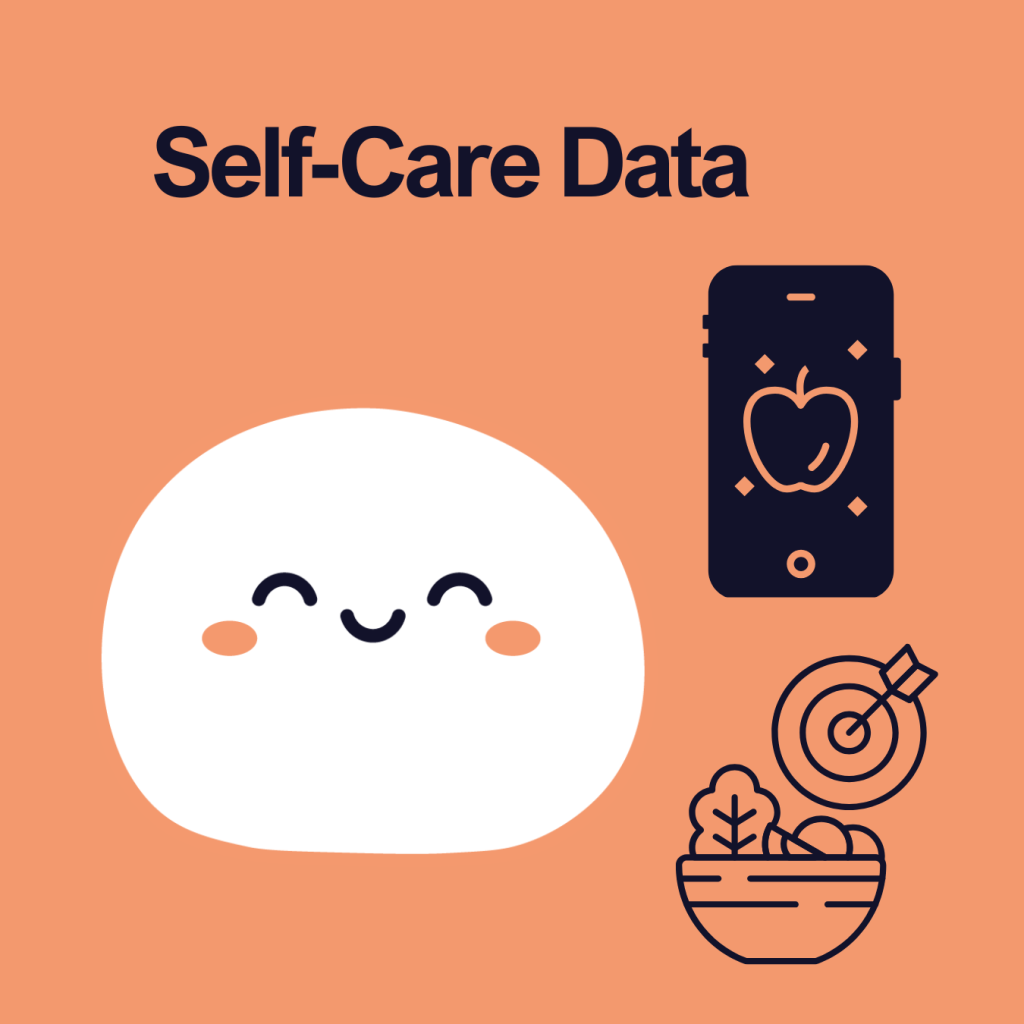
The reason manual calorie counting feels like a prison is the mental labor. Typing in “1/2 cup of pasta” feels like a confession of guilt.
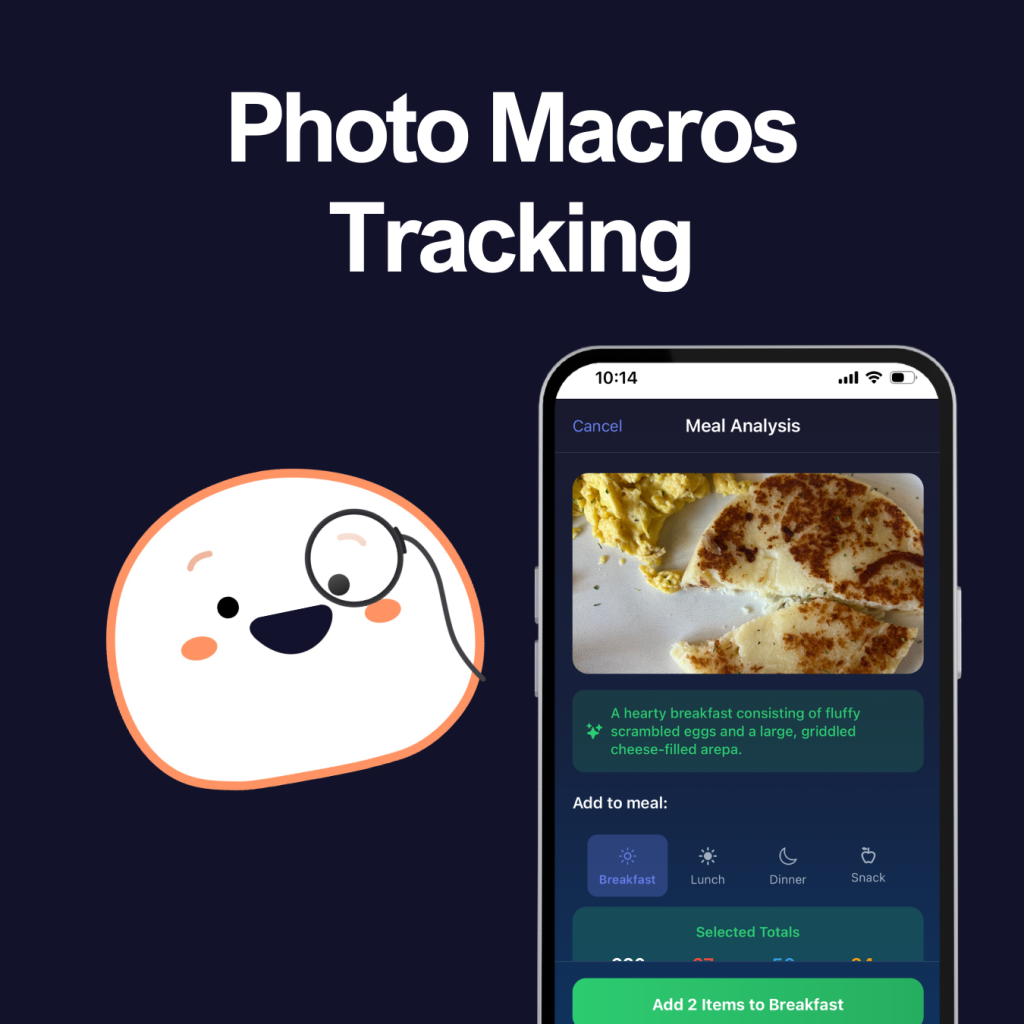
Mochi Zen changes the relationship with the camera. When you snap a photo of your meal, Mochi (your Inner Ally) does the work for you.
- It’s Frictionless: 5 seconds instead of 5 minutes.
- It’s Objective: A photo is just a photo.
- It’s Mindful: A 2017 study found that photographic food diaries can increase nutritional awareness and improve weight loss outcomes by reducing the “cognitive load” of traditional tracking (Zepeda & Deal, 2008).
3 Steps to Break the Cycle Today
1. Identify the Trigger
Before you eat, ask yourself: “Am I hungry in my stomach, or am I hungry in my heart?” If it’s your heart, it’s time for a 10-minute Mochi Zen session.
2. Interrupt the Pattern
When the “All-or-Nothing” voice starts, put on your headphones. Let Mochi guide your brain back to a state of safety.
3. Log without Shame
Snap a photo of whatever you eat. Even if it’s the “binge food.” By logging it with Mochi Zen, you take the power away from the secret. You bring it into the light of data, where it can no longer hurt you.
Related reading: Why You Can’t Stop Binging at Night and Why You Feel Anxious After Eating.
The Dietitian’s Perspective: On Neutral Data
“”In clinical practice, we see that shame is the primary enemy of weight maintenance. When a patient views food as ‘good’ or ‘bad,’ a single slip-up triggers a cortisol spike that leads to binging. Mochi Zen’s focus on ‘Neutral Data’ is revolutionary because it de-stigmatizes calories. By viewing macros as a compass rather than a scorecard, users can develop a sustainable, clinical understanding of their body’s needs.”
Frequently Asked Questions
What actually causes emotional eating?
Emotional eating is a neurological response, not a character flaw. When stress hits, your brain seeks a quick hit of dopamine to feel safe, and high-sugar, high-fat foods trigger the same reward centers as addictive substances. Your subconscious learned long ago to use food to soothe your nervous system.
Why doesn't willpower work for stopping emotional eating?
Willpower is a finite mental resource; psychologists call its exhaustion ego depletion. After a full day of decisions, meetings, and stress, your willpower battery is effectively empty by 5:00 PM. Lasting change comes from addressing the subconscious triggers driving the behavior, not from demanding more discipline of yourself.
What is food noise and how can I quiet it?
Food noise is the constant, nagging internal monologue that obsesses over a craving. Hypnosis turns the volume down by guiding your brain into relaxed Alpha and Theta wave states, where the mind is more receptive. There you can interrupt the stress-eating pattern and align subconscious desires with conscious goals.
Does hypnotherapy really help with emotional eating and weight loss?
Yes. Studies published in the International Journal of Clinical and Experimental Hypnosis show hypnotherapy can significantly increase long-term weight loss success by addressing subconscious behavioral patterns. Because it works where the eating pattern actually lives (the subconscious), the change persists without the internal war of willpower-based dieting.
What is the all-or-nothing binge cycle?
It is the loop where logging a "bad" food triggers shame, shame raises cortisol, and cortisol drains willpower while increasing cravings for comfort foods, ending in the thought that you already messed up, so you might as well eat everything. Breaking it requires neutral, judgment-free tracking and healing the stress response.
How does Mochi Zen help me stop emotional eating?
Mochi Zen combines subconscious hypnotherapy sessions that quiet food noise with a frictionless photo meal scanner that logs macros in about five seconds, or you can track meals just by typing what you ate in a plain sentence. Tracking becomes neutral self-care data instead of judgment, which removes the shame response that fuels binges, while the hypnotherapy rewires the emotional triggers underneath.
Disclaimer: This post is for informational purposes only and is not a substitute for professional medical or mental health care. Results vary. If emotional eating or binge eating is severe or persistent, please consult a qualified healthcare provider.