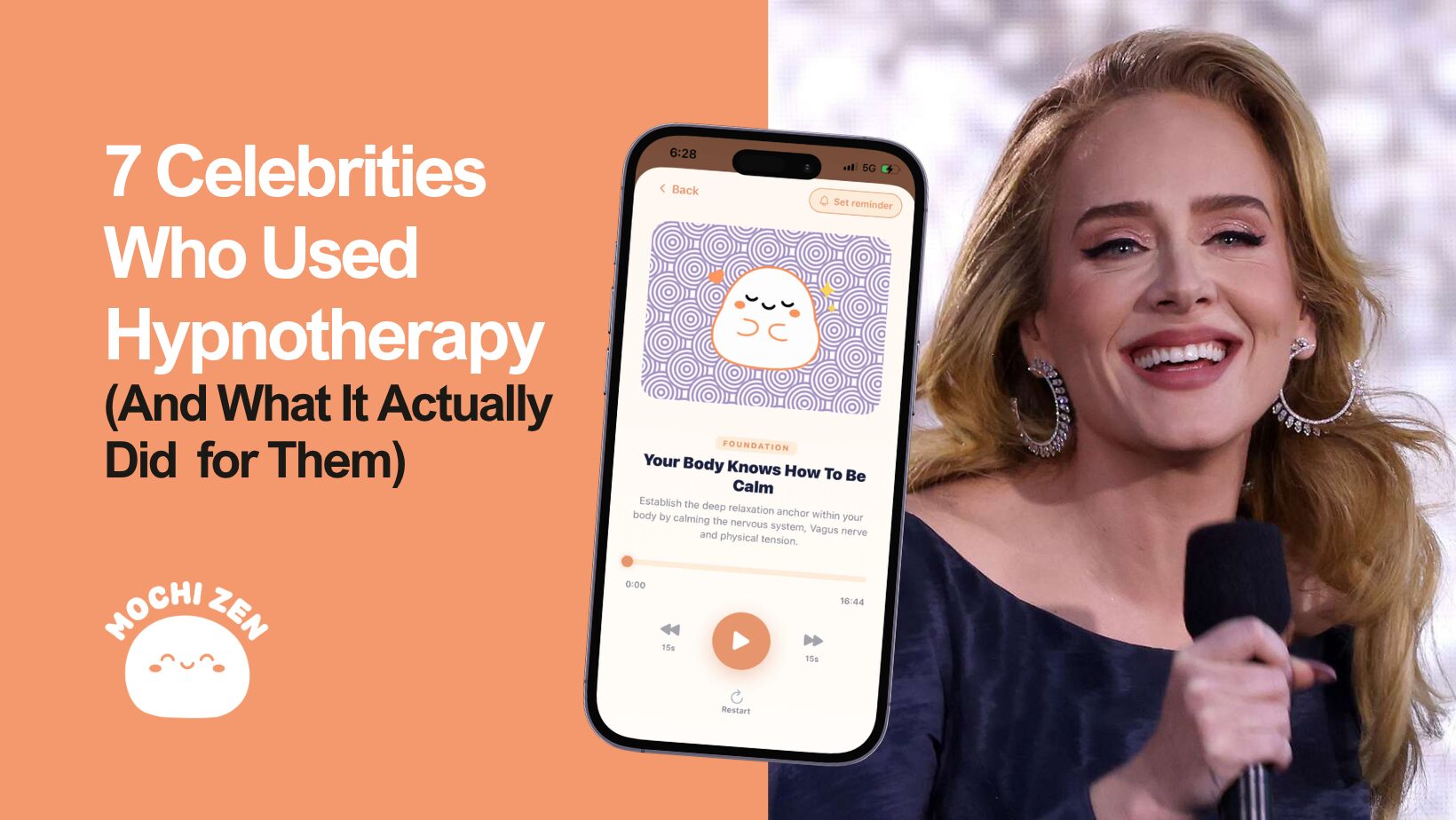
If you picture hypnotherapy as a last resort for people who've tried everything else, you're not alone. That's how most people think about it, until they find out who's actually been using it.
The list includes some of the most successful, high-performing people of the last century. Not because they were desperate. Because they understood something most people don't: that what's holding you back rarely lives in your conscious mind. It lives in the subconscious, in the beliefs, patterns, and emotional memories your brain formed long before you had any say in the matter.
Here are seven celebrities who used hypnotherapy, what they used it for, and what it tells us about how the subconscious mind actually works.
RTT hypnotherapy (the method used by Marisa Peer, therapist to Princess Diana) is now available on your phone through Mochi Zen. Try it free for 7 days, no credit card required.
Try It Free for 7 Days →In this article
- Adele: stage fright so severe she was sick before performing
- Tiger Woods: hypnosis starting at age 13
- Sylvester Stallone: wrote Rocky after working with a hypnotherapist
- Princess Diana: worked with Marisa Peer, the founder of RTT
- Reese Witherspoon: panic attacks before filming Wild
- Matt Damon: quit smoking via hypnotherapy on national TV
- Freud and Jung: built modern psychology from it
- What this actually tells us

1. Adele: Stage Fright So Severe She Was Sick Before Performing
Adele is one of the most celebrated voices of her generation. She is also, by her own admission, one of the most terrified performers alive.
In a 2011 Rolling Stone interview, she said: "I'm scared of audiences. I get shitty scared. One show in Amsterdam, I was so nervous I escaped out the fire exit." Before performing at the Grammys, she was physically sick backstage from nerves.
When she was booked to perform "Skyfall" at the 2013 Oscars, one of the most-watched performances of her career, she turned to a hypnotherapist. A source told The Sun that a friend in LA recommended the therapist because Adele was so nervous about the gig, and that all the rehearsals in the world hadn't been enough to calm her down.
She performed. Flawlessly. In front of a billion people.
Sources: Rolling Stone (2011); The Sun via NME, Forbes (2013)
2. Tiger Woods: Hypnosis Starting at Age 13
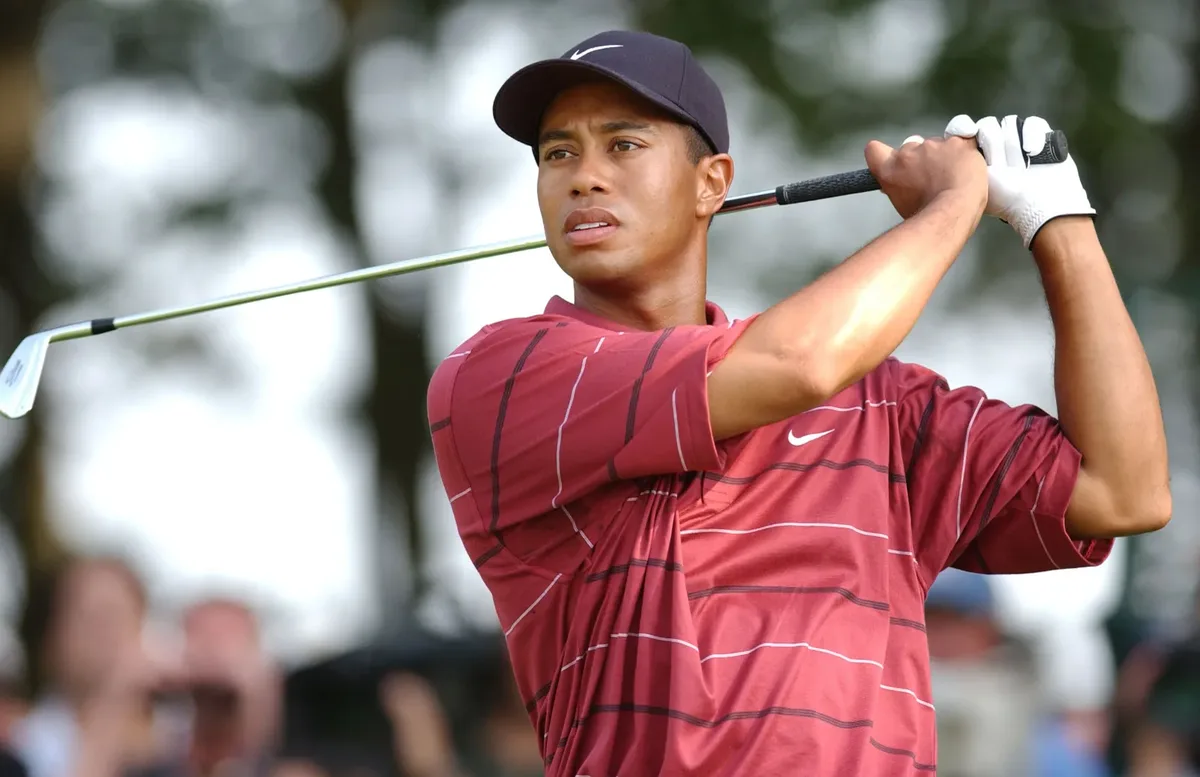
Tiger Woods didn't become the most mentally dominant golfer in history by accident. His father Earl Woods brought in Dr. Jay Brunza, a family friend and psychologist, to work with Tiger starting at age 13. Among the techniques Brunza used: subliminal tapes and hypnosis.
Earl Woods described one early session: "The first time Jay hypnotized Tiger, he had him stick his arm straight out and told him that it couldn't be moved. I tried, but I couldn't pull it down."
Tiger spoke about it directly: "Everyone had always told me to visualize shots, but I could never see the ball. We worked on a way to look at the target and pull it back into my hands and body, and let my subconscious react. That's what works best for me."
He stopped formal hypnosis sessions but said: "I think I used it enough then that it's inherent in what I do now."
That composure under pressure, the ability to sink a crucial putt while a crowd holds its breath, wasn't a personality trait. It was trained. At the subconscious level. From the age of 13.
Sources: Sports Success; Golf.com; Tiger Woods and Earl Woods interviews
3. Sylvester Stallone: Wrote Rocky After Working with a Hypnotherapist
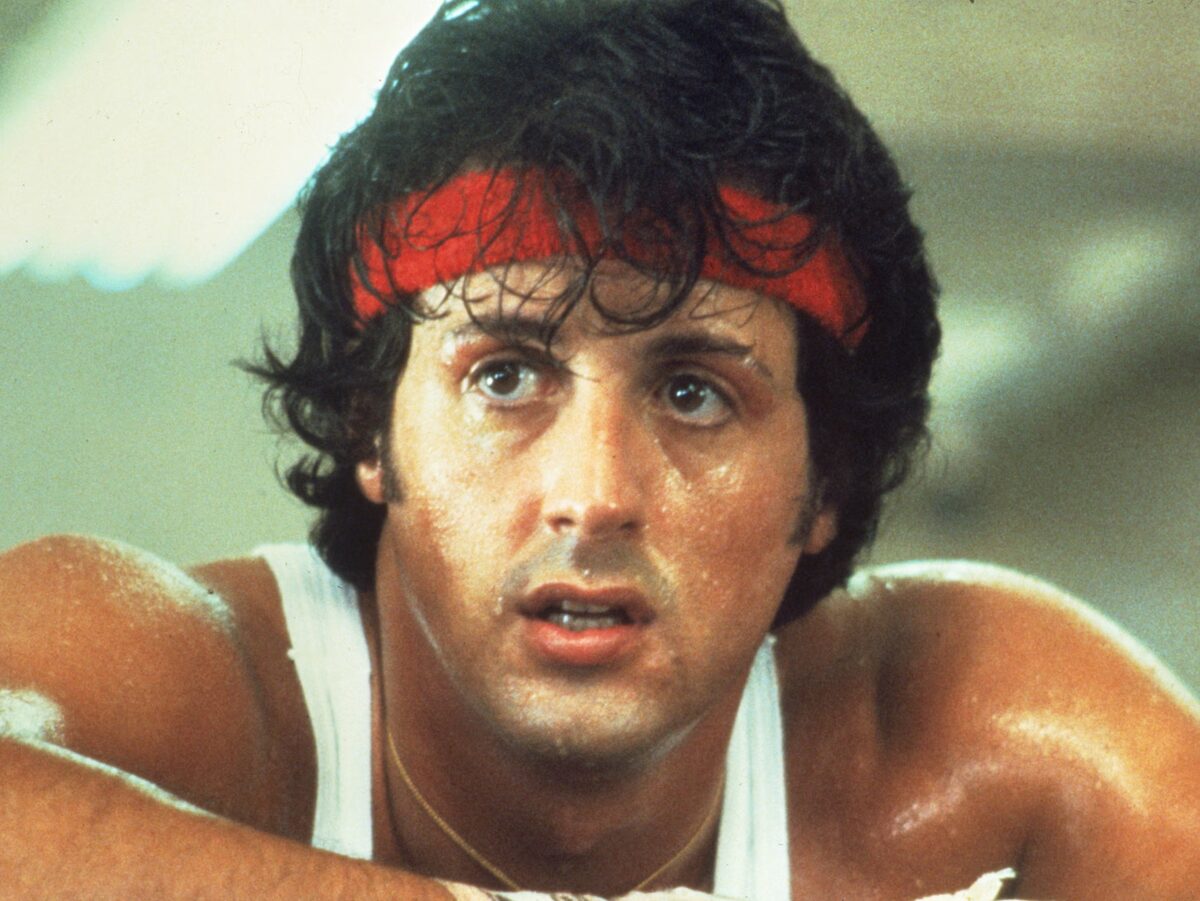
In the mid-1970s, Sylvester Stallone was a struggling, nearly broke actor who had been rejected by Hollywood hundreds of times over. He was so low on money at one point that he sold his dog, his best friend, for $25 because he couldn't afford to feed him.
Around this time, he started working with Gil Boyne, one of the most prominent hypnotherapists in Los Angeles. Boyne helped Stallone access his creativity and develop the belief that he could write and star in his own film, something no one around him thought was possible.
Within six months of working with Boyne, Stallone wrote the entire Rocky screenplay in under 20 hours. He then held out through offer after offer from United Artists: they wanted the script but not Stallone as the lead, and they kept raising their offer ($125,000... $250,000... $325,000). He turned them all down until they agreed to cast him.
His first purchase with his fee? Buying his dog back, for $15,000.
Rocky won three Academy Awards, including Best Picture. It launched one of the most iconic film franchises in history.
Source: Rocky and hypnosis, Katherine Bassford (2011); Gil Boyne documented case
4. Princess Diana: Worked with Marisa Peer, the Founder of RTT
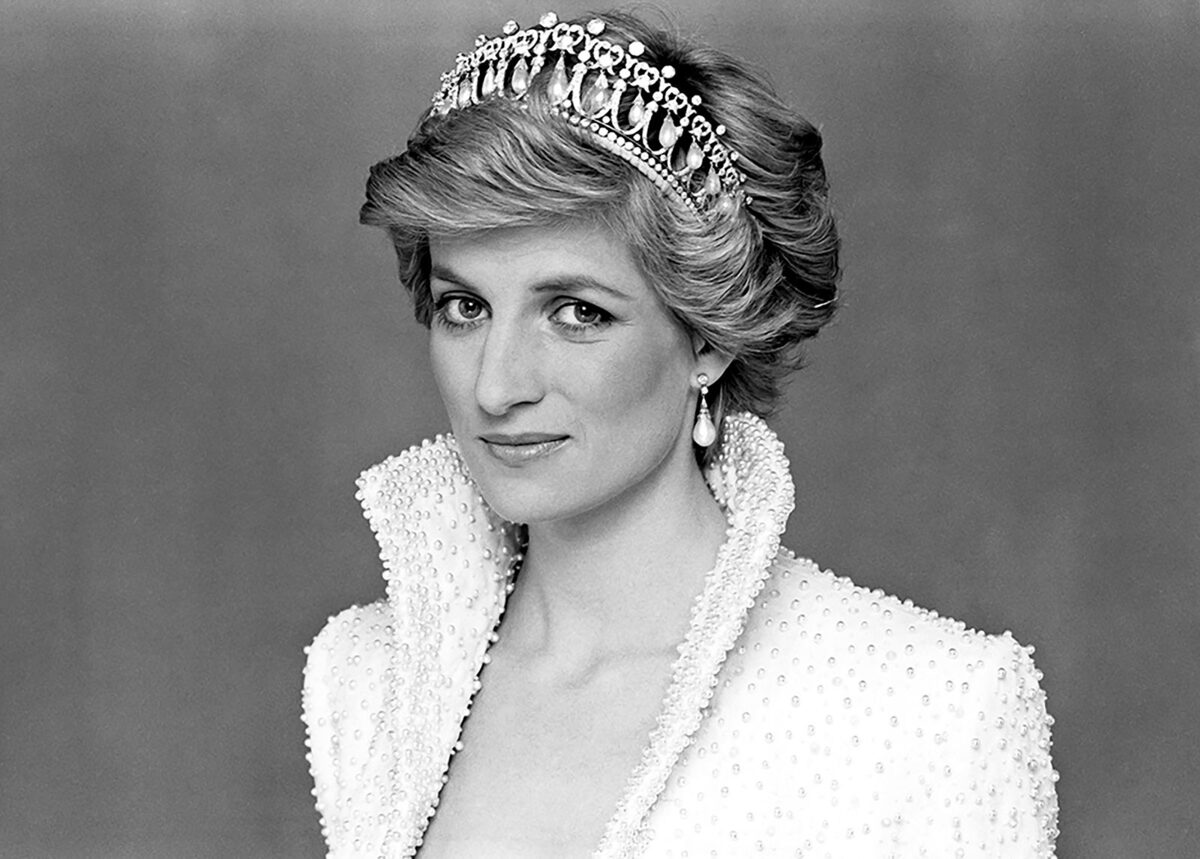
Princess Diana was one of the most watched women in the world, and one of the most privately anxious. Her public speaking, especially in the early years, required enormous courage for someone dealing with the pressures she carried.
Her therapist was Marisa Peer, now internationally recognized as the founder of Rapid Transformational Therapy (RTT), the hypnotherapy methodology that Mochi Zen is built on.
Marisa Peer went on to work with royalty, Olympic athletes, CEOs, and international superstars. But Diana was among her most prominent clients, and the work they did together was rooted in the same principles that RTT continues to use today: accessing the subconscious beliefs behind the surface symptoms, and updating them at the root.
Source: Marisa Peer official bio (marisapeer.com); multiple published profiles of Marisa Peer's work
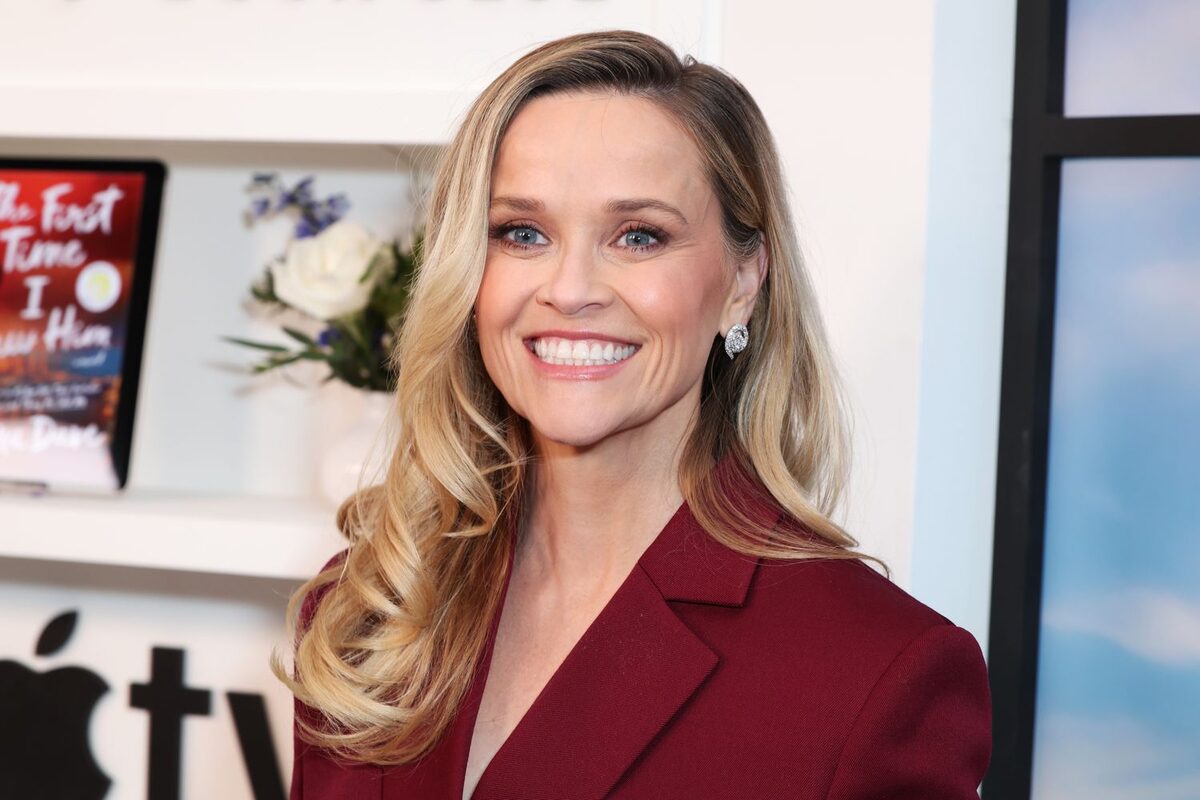
5. Reese Witherspoon: Panic Attacks Before Filming Wild
Wild is one of the most demanding roles Reese Witherspoon has ever taken on: emotionally raw, physically grueling, and deeply personal. Before production began, she was having panic attacks.
She was direct about it in interviews: "I had hypnosis, I was so scared. I was having panic attacks for three weeks before I started."
She went on to film it. The performance earned her an Academy Award nomination for Best Actress.
Sources: Today.com; Screen Rant; Entertainment Tonight; NME (all citing Witherspoon's own interview statements)
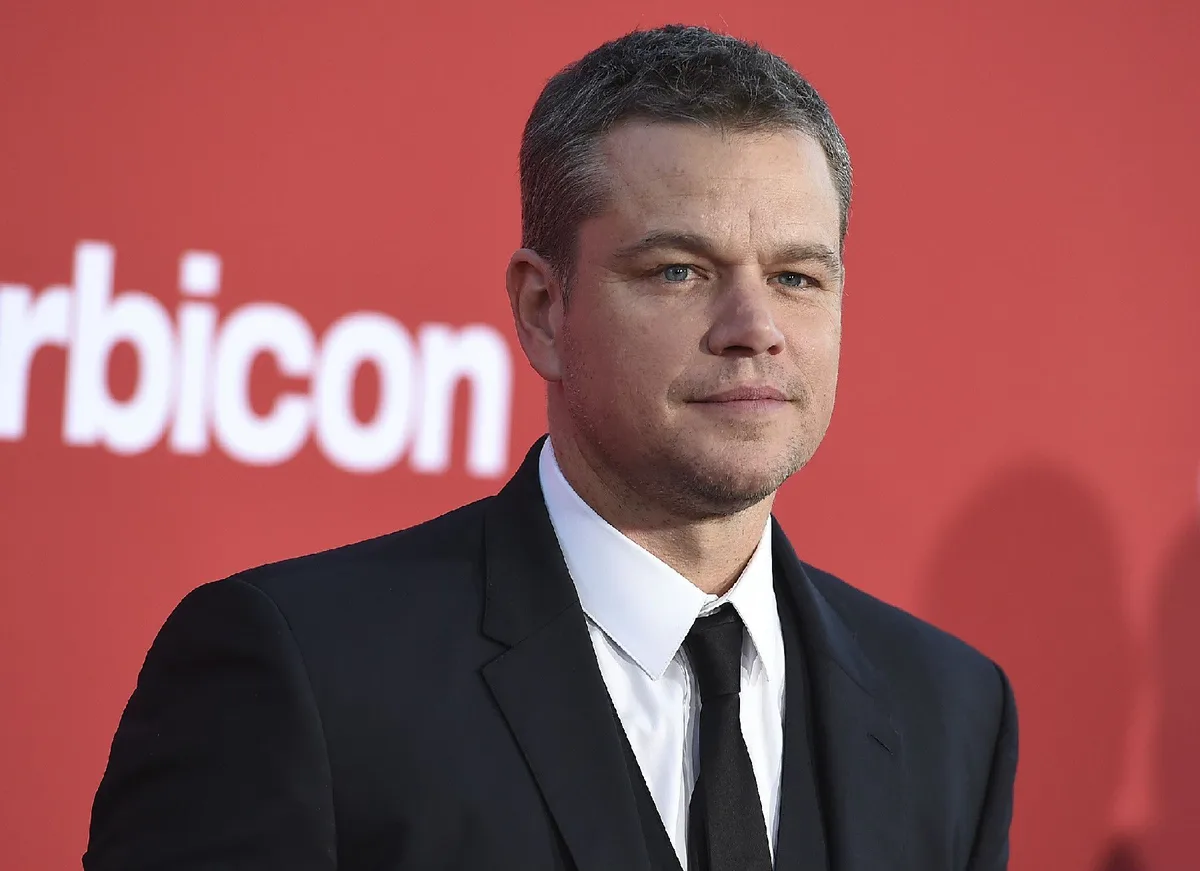
6. Matt Damon: Quit Smoking via Hypnotherapy (On National Television)
Matt Damon used hypnotherapy to quit smoking, and was so impressed by the result that he talked about it on The Tonight Show with Jay Leno, calling it "the greatest decision I ever made in my life."
Smoking is one of the most stubborn habits to break because it's rarely just about nicotine. It's about what smoking represents to the subconscious: stress relief, reward, identity, comfort. Willpower alone almost never works because willpower operates at the conscious level while the habit lives somewhere deeper.
Hypnotherapy goes to that deeper level, and Damon's results, which he's spoken about publicly, are consistent with the research on hypnosis for habit change.
Sources: Jay Leno Tonight Show interview; multiple published accounts of Damon's hypnotherapy for smoking cessation
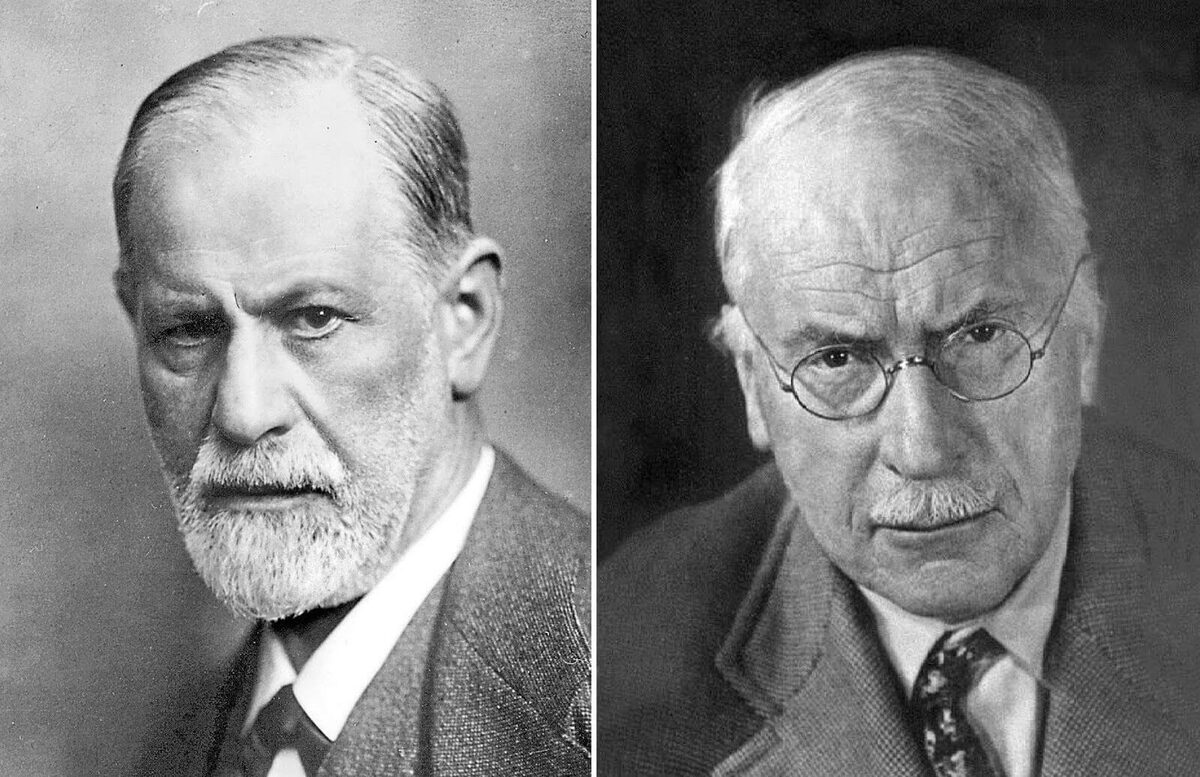
7. Freud and Jung: Built Modern Psychology Partly Through It
Before Freud developed psychoanalysis, he studied hypnosis in Paris under Jean-Martin Charcot at the Salpêtrière, one of the most famous neurological clinics in the world. It was through hypnosis that Freud first began to understand the unconscious mind: that people carried experiences and beliefs they couldn't consciously access, and that accessing them was the key to healing.
Carl Jung practiced hypnosis and later demonstrated it as a lecturer in psychiatry at the University of Zurich. He believed the unconscious spoke in symbols and that accessing it, through whatever means, was the foundation of meaningful therapeutic change.
Both eventually moved beyond formal hypnosis toward other methods. But hypnosis was the lens through which both men first understood what the unconscious was and why it mattered. Modern psychology, in many ways, began there.
Sources: Freud's Relevance to Hypnosis (ResearchGate); How Psychology Emerged from Hypnosis (John Mongiovi); Freud, Jung and the Influence of Hypnotism (Angel Millar, 2022)
The same RTT methodology Marisa Peer used with Princess Diana is inside Mochi Zen: for weight loss, anxiety, and insomnia. Try it free for 7 days, no credit card required.
Start Your Free 7 Days →What This Actually Tells Us
What do a pop star with stage fright, a teenage golf prodigy, a struggling screenwriter, a princess, an Oscar-nominated actress, a Hollywood actor, and the founders of modern psychology all have in common?
They all understood, or discovered, that the limits they were experiencing weren't really about the thing on the surface. Adele's problem wasn't that she didn't know how to sing. Stallone's problem wasn't that he couldn't write. Reese's problem wasn't that she wasn't talented enough to film Wild.
The limits were subconscious. And hypnotherapy is one of the few approaches designed specifically to work at that level.
Most self-improvement tools (journaling, therapy, meditation, coaching) work at the level of conscious thought. They're valuable. But they're working on the output of the subconscious, not on the programming itself. Hypnotherapy (and specifically RTT, the methodology developed by Marisa Peer) goes to the source: the belief that was formed, often in childhood, that your brain has been running ever since.
Change that belief, and the behavior that followed it (the anxiety, the habit, the self-sabotage, the ceiling) changes with it. Not through effort. Through understanding.
That's what Mochi Zen is built on. RTT-based hypnotherapy sessions for weight loss, anxiety, and insomnia, on your phone, on your schedule, free for 7 days. See how it works →
For a deeper look at the science behind hypnotherapy, see: The Science Behind Hypnotherapy for Weight Loss, Anxiety & Insomnia →
If it worked for Adele, Tiger Woods, and Princess Diana, it can work for you too. Try Mochi Zen free for 7 days. No credit card required.
Try It Free, No Credit Card Required →Frequently Asked Questions
What celebrities have used hypnotherapy?
Among the most well-documented are Adele (for stage fright before the Oscars), Tiger Woods (trained with a hypnotherapist from age 13), Sylvester Stallone (worked with hypnotherapist Gil Boyne before writing Rocky), Princess Diana (worked with Marisa Peer, founder of RTT), Reese Witherspoon (used hypnotherapy for panic attacks before filming Wild), and Matt Damon (quit smoking via hypnotherapy). Sigmund Freud and Carl Jung both studied and practiced hypnosis as a foundation for developing modern psychology.
Did Adele really use hypnotherapy?
Yes. Adele has spoken publicly about her severe stage fright, including getting physically sick before Grammy performances. Before the 2013 Oscars, she worked with a hypnotherapist in Los Angeles, as reported by NME and Forbes. She has spoken openly about her fear of performing in front of large crowds throughout her career.
Did Tiger Woods use hypnosis?
Yes. Tiger began mental training with Dr. Jay Brunza, a psychologist and family friend, at age 13. Brunza used hypnosis and subliminal tapes as part of that training. Tiger has spoken about it himself: "I think I used it enough then that it's inherent in what I do now." The focus, composure, and self-belief he became famous for were not innate traits; they were trained, at the subconscious level, from a young age.
Is hypnotherapy real or just a placebo?
The research is clear: hypnotherapy produces real, measurable results. A 1995 meta-analysis published in the Journal of Consulting and Clinical Psychology (Kirsch et al.) found that patients who used hypnotherapy lost more than twice the weight of those who didn't, and maintained those results at a two-year follow-up. A 2019 meta-analysis confirmed significant positive effects on anxiety. The results are not explained by placebo; the evidence shows specific, replicable outcomes. See the full science breakdown →
What is Marisa Peer and what is RTT?
Marisa Peer is a UK-based hypnotherapist who worked with Princess Diana, Olympic athletes, and international business leaders. She developed Rapid Transformational Therapy (RTT), a methodology that combines hypnotherapy, psychotherapy, NLP, and neuroscience to access and update the subconscious beliefs driving unwanted patterns. RTT is the methodology that Mochi Zen's hypnotherapy sessions are built on, developed by founder Paola Mendez, a certified RTT practitioner.
What can hypnotherapy help with?
The most well-researched applications include weight loss, anxiety reduction, insomnia, habit change (smoking, overeating), and performance under pressure. The celebrities in this article used it for: stage fright (Adele, Reese Witherspoon), athletic performance (Tiger Woods), creative confidence and self-belief (Stallone), anxiety and emotional patterns (Princess Diana), and habit change (Matt Damon). Mochi Zen offers RTT-based programs specifically for weight loss, anxiety, and insomnia.
Is hypnotherapy safe?
Yes. Hypnotherapy is a gentle, non-invasive process. You remain aware and in control throughout; hypnosis is not the loss of consciousness it's sometimes portrayed as in film or TV. It is closer to a deeply focused, relaxed mental state. The clinical research on hypnotherapy, including the JCSM 2018 systematic review on sleep and the Kirsch 1995 weight loss meta-analysis, found no adverse effects across multiple trials.
How does Mochi Zen use hypnotherapy?
Mochi Zen is an app created by RTT-certified hypnotherapist Paola Mendez that delivers RTT-based audio sessions for weight loss, anxiety, and insomnia. The sessions guide you through the subconscious work, identifying and updating the beliefs driving your patterns, while a daily journal helps you track your progress. Available on iOS, Android, and web. Free 7-day trial at mochi-zen.com, no credit card required.
Disclaimer: This post is for informational purposes only and is not a substitute for professional medical or mental health care. Celebrity examples are drawn from publicly reported statements and interviews. Results vary.